
Testcore

Look at low mood as a pattern instead of judging one difficult day.

Low mood becomes more important to notice when it persists, keeps returning or starts to affect interest, energy, sleep, concentration, relationships and everyday routines. This test helps you look at that broader pattern.

Fast results
Secure
Private
Trusted by thousands of curious users
Rated 4.8/5by our users
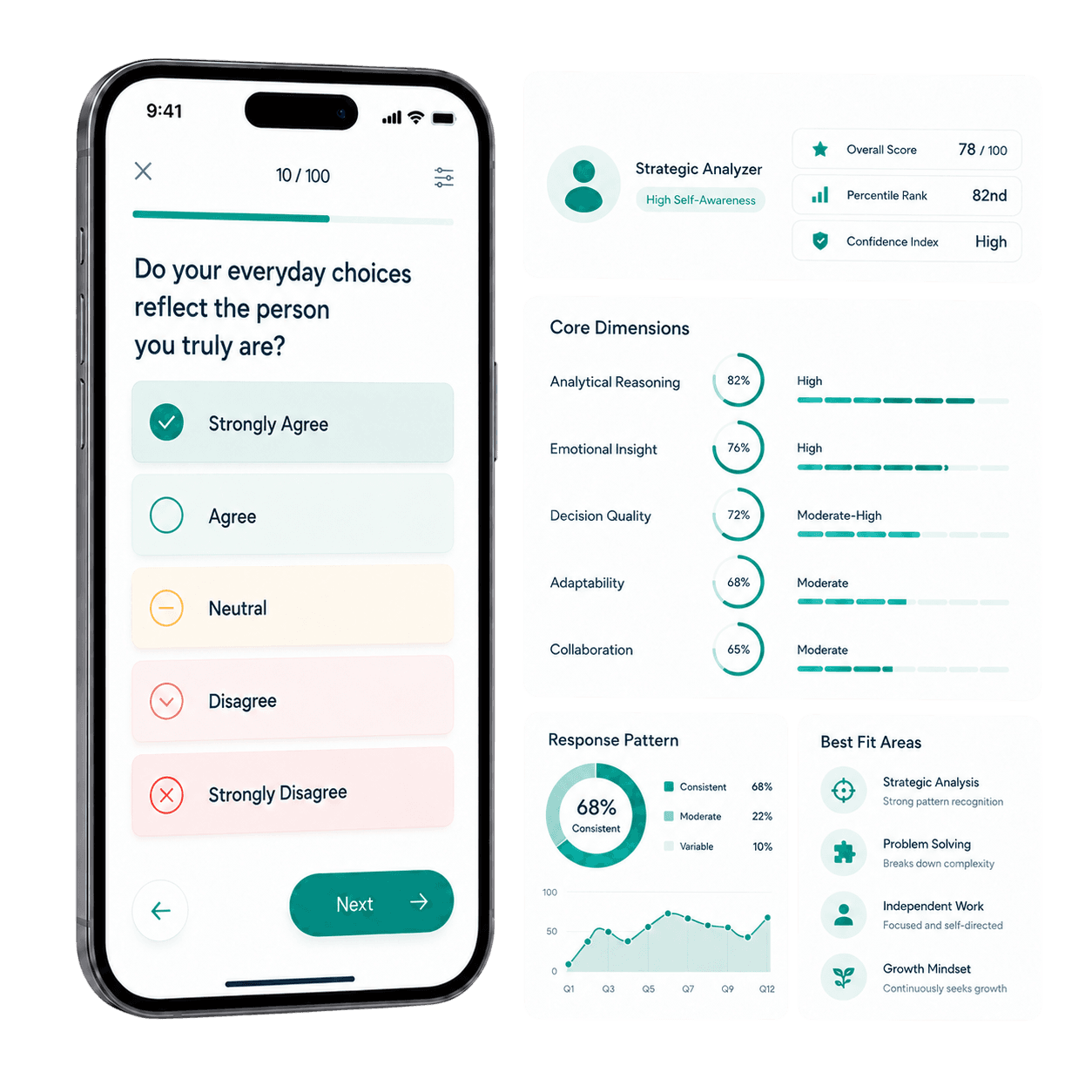
TestCore Low Mood Patterns Test and personalised report preview

A low-mood pattern is about persistence and impact, not one emotion in isolation

The aim is to see whether several changes are travelling together and whether they are beginning to change how you function from day to day.

Check how often low mood returns

Think about whether sadness, irritability, numbness, hopelessness or emotional flatness appear briefly around certain events or have become part of the background across many days.

  • Frequency and persistence
  • Change from your usual baseline
  • Periods of relief versus ongoing difficulty

Look for changes in interest, energy and focus

Notice whether activities feel less rewarding, whether simple tasks take more effort, whether sleep has shifted or whether concentration and decision-making are harder than usual.

  • Loss of interest or pleasure
  • Fatigue and low energy
  • Sleep and concentration changes

Measure what the pattern changes in daily life

Low mood deserves more attention when it begins to affect work, study, self-care, social connection, routine responsibilities or your sense that the future can improve.

  • Daily functioning
  • Withdrawal and connection
  • What needs attention next

How it works

1

Answer from recent days and weeks

Think beyond today's mood and answer from the pattern that has generally been true lately, including both difficult periods and moments when you felt more like yourself.

2

Bring the low-mood signs into one view

Your responses are considered together across mood, interest, energy, sleep, concentration, self-view, connection and functioning rather than being treated as unrelated incidents.

3

Use persistence and impact to guide the next step

The result is a self-reflection, not a diagnosis. A pattern that persists, worsens or disrupts daily life is a stronger reason to seek support than one isolated low day.

Frequently asked questions

Q

What is a low mood test?

A low mood test is usually an online self-assessment that asks about recent emotional and everyday experiences. This route uses TestCore's depression assessment to reflect on low mood alongside interest, energy, sleep, concentration, self-view and functioning.

Q

When does low mood become more concerning?

Low mood deserves more attention when it lasts, keeps returning, becomes more intense or is accompanied by reduced interest, hopelessness, withdrawal, sleep or energy changes, or difficulty managing daily life.

Q

Can stress or grief cause a similar pattern?

Yes. Stress, grief, health problems, medication effects, burnout, relationship difficulties and sleep disruption can overlap with depression-related symptoms. An online result cannot determine the cause.

Q

Does this test diagnose depression?

No. The result organizes your self-reported experiences. Diagnosis requires a qualified professional who can consider duration, severity, safety, medical context and other explanations.

Q

When should I consider additional support?

Consider qualified support if low mood is persistent, worsening, distressing or interfering with daily functioning. If you may harm yourself or cannot stay safe, seek urgent local help immediately.

The difference between a low day and a low-mood pattern is often repetition, duration and cost

A single bad day is common. A change that keeps returning, lasts longer or starts to shrink ordinary life deserves a more careful look.

Track whether low mood persists across days and weeks
Notice loss of interest, fatigue, sleep and concentration changes that travel with it
Compare the pattern with stress, grief, health and other circumstances
Take daily impact and safety more seriously than the neatness of any score
See your low-mood pattern
Takes around 10 minutesPrivate and secure