
Testcore

Examine emotional detachment without assuming every kind of distance means the same thing.

Feeling numb, unavailable, dissociated or simply less emotionally reactive can describe very different experiences. This TestCore assessment focuses specifically on emotional responsiveness, empathy and concern as part of a broader psychopathy-traits pattern; it does not return a standalone emotional-detachment diagnosis or score.

Fast results
Secure
Private
Trusted by thousands of curious users
Rated 4.8/5by our users
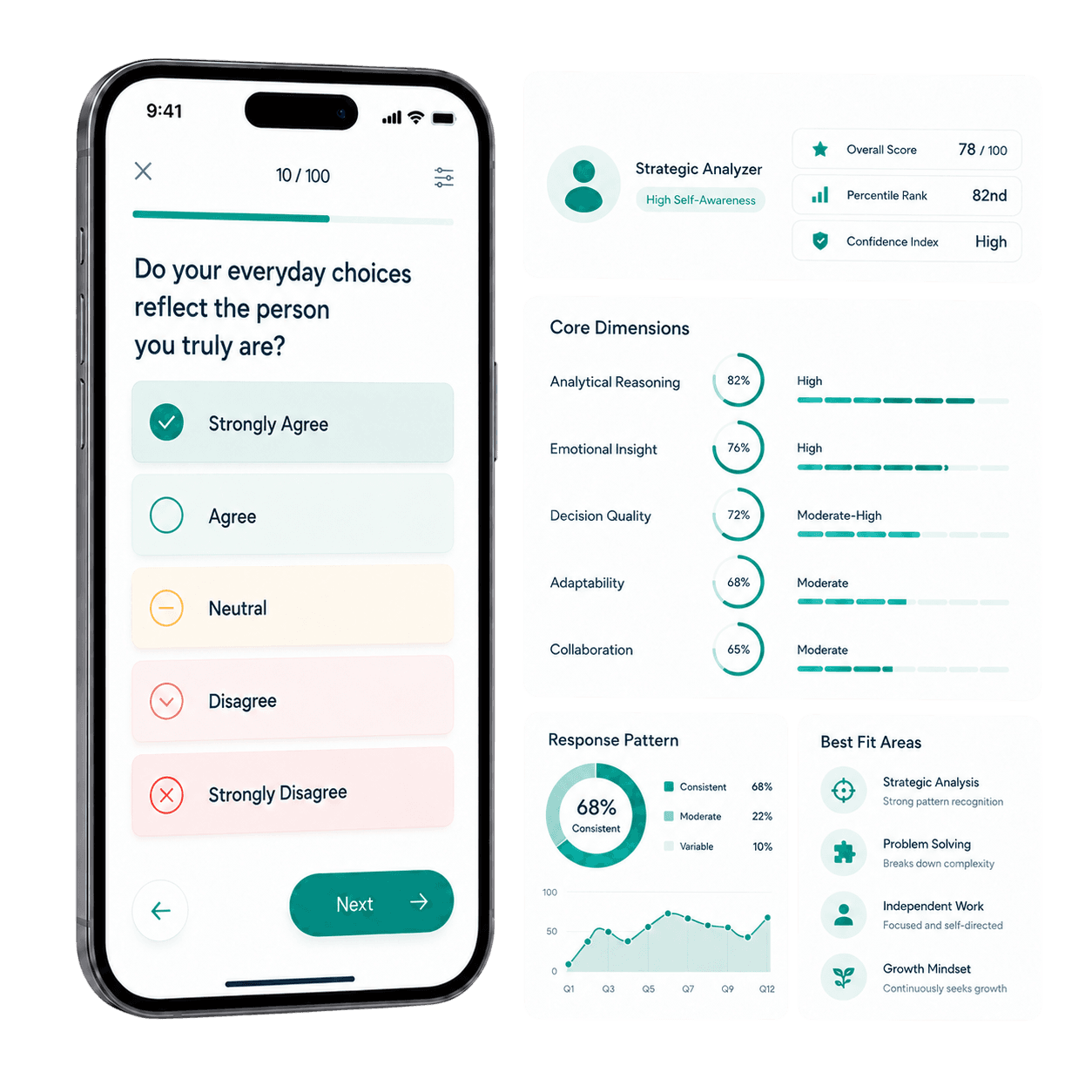
TestCore Emotional Detachment Test and personalised report preview

Start by separating emotional distance from other experiences that can look similar

Searches for emotional detachment often mix together numbness, dissociation, emotional unavailability, guardedness and low emotional reactivity. This assessment covers only part of that territory, so the most useful job is to identify which form of distance your answers actually suggest.

Compare low emotional reactivity with numbness

Some people stay calm and recover quickly without feeling emotionally absent. Others describe difficulty accessing emotion at all. The questions here focus on how strongly situations affect you and how consistently emotional distance appears.

  • How strongly situations affect you
  • Whether emotional reactions feel muted or simply controlled
  • How consistent the pattern is

Look at empathy when another person needs a response

Emotional detachment becomes more informative when you examine interpersonal moments: whether other people's distress registers, whether concern arises, and whether emotional information changes your behaviour.

  • Understanding versus feeling another person's emotion
  • Concern when someone is struggling
  • Whether empathy affects the next choice

Connect distance to accountability and relationships

The broader report also considers guilt, responsibility, social strategy, independence and outcomes. That context helps show whether emotional distance is simply one tendency or part of a wider interpersonal pattern.

  • Responsibility after causing harm
  • Closeness versus autonomy
  • How distance affects trust and reciprocity

How it works

1

Answer for your actual emotional response

Think about ordinary conflict, bad news, another person's distress and emotionally intense situations. Separate what you know you should feel from what you typically experience internally.

2

Read detachment as one part of a broader result

The assessment does not produce a dedicated emotional-detachment score. Your answers contribute to one overall psychopathy-traits range that includes emotional, interpersonal and behavioural themes.

3

Decide what kind of follow-up fits the pattern

If the issue is general numbness, dissociation or feeling unreal, this assessment may not answer the main question. If the pattern is reduced emotional responsiveness in relationships and decisions, the broader report can provide relevant context.

Frequently asked questions

Q

Does this test give me an emotional-detachment score?

No. It uses questions about emotional detachment and responsiveness as part of a broader psychopathy-traits assessment and returns one overall result.

Q

Is emotional detachment the same as dissociation or depersonalization?

No. Those terms describe different experiences and can involve feeling disconnected from yourself, your surroundings or reality. This assessment is not a dissociation or depersonalization screener.

Q

Is being calm under pressure a sign of emotional detachment?

Not by itself. Calmness can reflect good emotional regulation. The wider pattern becomes more relevant when low emotional reactivity is paired with reduced empathy, concern, remorse or connection across situations.

Q

Can emotional detachment have causes unrelated to psychopathy?

Yes. Emotional distance or numbness can appear in many contexts. An online psychopathy-traits assessment cannot determine why you feel detached.

Q

When is a different kind of assessment more appropriate?

If your main concern is dissociation, trauma-related numbness, depression, emotional unavailability or another specific experience, a tool or professional evaluation designed for that question may fit better.

Q

Is this a diagnosis?

No. TestCore provides educational self-reflection, not a diagnosis of psychopathy, dissociation or any other condition.

Emotional distance is a description, not an explanation

The same outward calm can come from regulation, guardedness, low emotional intensity, exhaustion, dissociation or a broader personality pattern. The next step depends on which experience is actually present.

A clear bridge between emotional-detachment questions and the broader psychopathy-traits result
No claim of a dedicated detachment, dissociation or depersonalization score
Context for empathy, concern, guilt, responsibility and relationship distance
A practical signal for when a more specific assessment or professional perspective would fit better
Explore emotional responsiveness
Takes around 10 minutesPrivate and secure