
Testcore

See what conflict activates before disagreement turns into a fight for closeness or space.

Conflict can activate more than anger. It can trigger fear of losing the bond, pressure to fix things immediately, the urge to withdraw, or a need to regain control before you can talk. TestCore helps you examine which protective move tends to arrive first.

Fast results
Secure
Private
Trusted by thousands of curious users
Rated 4.8/5by our users
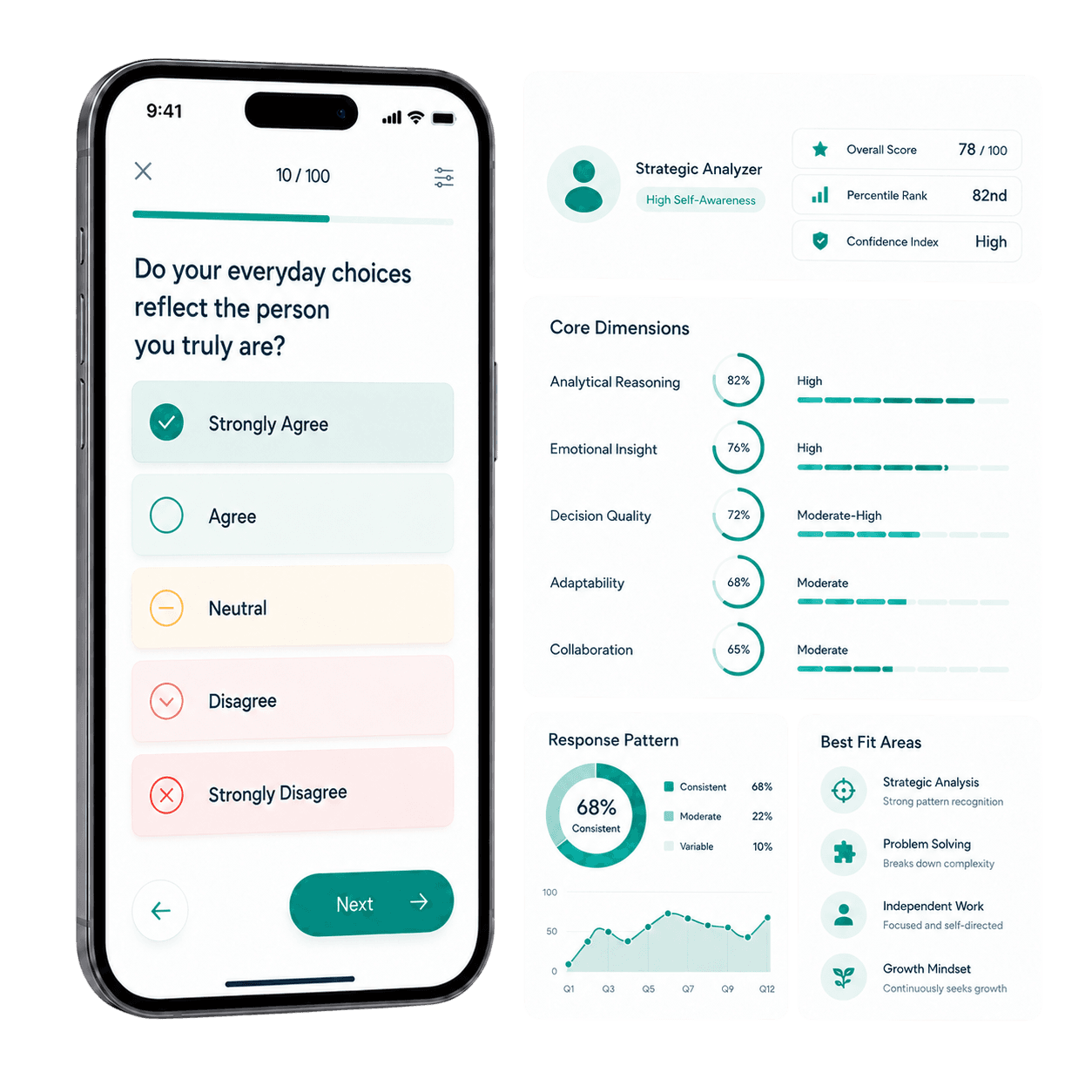
TestCore Attachment and Conflict Test and personalised report preview

Conflict reveals what feels threatened

The argument topic matters, but so does the attachment pressure underneath it: fear of rejection, fear of dependence, loss of autonomy, uncertainty about the bond or difficulty trusting repair.

Identify the fear underneath the argument

A disagreement can feel like a problem to solve or like evidence that the relationship itself is at risk. Notice whether conflict quickly becomes about abandonment, disrespect, control, vulnerability or being trapped.

  • What feels at stake
  • How quickly threat rises
  • What you need to feel safe enough to continue

See whether you move toward, away or against

Some people pursue clarity and reassurance. Others need distance before they can think. Some alternate between reaching out and pulling back. The repeated direction matters more than one argument.

  • Pursuit
  • Withdrawal
  • Mixed or escalating responses

Find what makes repair possible

Security after conflict depends on more than ending the discussion. Look at whether you can apologise, accept space, ask directly, trust reassurance and reconnect without reopening the same threat immediately.

  • What settles you
  • What rebuilds trust
  • What keeps the conflict alive

How it works

1

Answer from repeated conflicts, not the worst fight

Think about how disagreement usually affects closeness, communication, support and the amount of space you need before repair feels possible.

2

Get one leading attachment profile

The same attachment-style questionnaire compares your answers across five profiles. It does not return a separate conflict score or judge who was right in a specific argument.

3

Use the result to locate the pressure point

Read the report against the moment conflict shifts from a solvable disagreement into a threat to connection, autonomy or emotional safety.

Frequently asked questions

Q

Does conflict reveal attachment style?

Conflict can make attachment-related concerns more visible because stress can intensify fears about rejection, closeness, dependence or autonomy. One argument alone does not define your attachment pattern.

Q

Will I get a conflict style or conflict score?

No. TestCore returns one leading attachment profile and a detailed report. The conflict framing helps you interpret how that broader attachment pattern may appear under relationship stress.

Q

What if I need space after an argument?

Needing space is not automatically avoidant or unhealthy. The useful question is what the space does: whether it helps you regulate and return to repair, or becomes a way to avoid vulnerability or leave the issue unresolved.

Q

What if I need reassurance immediately after conflict?

Seeking reassurance can be understandable. Pay attention to whether reassurance helps you settle or whether uncertainty returns quickly and creates repeated checking, pursuit or fear that the bond is ending.

Q

Can the test tell me who is causing the conflict?

No. It examines your own reported tendencies. It cannot determine another person's motives, assign blame or replace the facts of a specific relationship situation.

Q

Is this a diagnosis or therapy assessment?

No. It is an educational self-report assessment. Persistent or distressing relationship conflict may be worth discussing with an appropriately qualified professional.

Repair tells you more than whether conflict happens

Healthy relationships still include disagreement. A stronger attachment clue is what happens once tension appears: what you fear, how you protect yourself and whether you can return to connection without abandoning your needs or the conversation.

Notice what conflict seems to threaten
Separate regulation space from indefinite withdrawal
Ask whether reassurance creates lasting safety or only brief relief
Look for the earliest moment where repair can replace protection
Explore attachment in conflict
Takes around 10 minutesPrivate and secure